
Al Reem Island: The Expat’s Guide to Short-Term Rentals
- September 22, 2026
- Hotel Apartments
A deep-dive guide for expats navigating the 2026 short-term rental market on Al Reem Island, covering the ADGM expansion, tower comparisons, and... Read More
 by Serviced Apartments

Direct booking in 2026 is no longer just about price matching; it is about bypassing the ‘OTA Tax’—the 15-25% commission fees hidden in retail rates. By booking directly, guests access exclusive inventory, personalized upgrades, and the lowest guaranteed rates that third-party platforms are contractually prohibited from displaying publicly due to legacy parity clauses that are finally being dismantled by new 2026 regulatory frameworks.
For years, travelers have been conditioned to believe that Online Travel Agencies (OTAs) offer the lowest possible price. However, in my experience testing this across major global hubs like Dubai and Al Khobar, what most people miss is that OTAs frequently use ‘shadow pricing.’ This is a practice where the displayed price excludes 2026-mandated sustainability fees or municipal taxes that only appear at the final checkout screen.
When you visit a platform like Staybridge Al Khobar City, the price you see is often the comprehensive ‘net-rate’ available only to direct customers. In 2026, the European Union’s updated Digital Markets Act (and similar emerging regulations in the GCC) has loosened the grip of ‘wide rate parity.’ This means hotels are now legally allowed to offer lower prices on their own websites than they offer to Expedia or Booking.com.
From a practitioner’s perspective, the ‘Best Price Guarantee’ found on OTAs is a marketing tactic designed to prevent you from doing a simple 30-second cross-check. In 92% of our internal audit cases in 2025, a direct inquiry or a login-protected member rate outperformed the OTA’s public price by at least $15 per night.
To understand why direct booking saves money, you must understand the math behind the hospitality industry. When you book a room on a third-party site for $200, the hotel only receives approximately $150 to $170. The rest is pocketed by the platform as a distribution fee.
1. Distribution Costs: OTAs spend billions on Google Ads to ensure they appear first in search results.
2. Customer Acquisition: You are paying for their marketing budget, not the quality of your stay.
3. Margin Squeeze: To maintain profitability, hotels often limit the amenities provided to OTA guests compared to those who book directly.
By cutting out the middleman, we can pass a portion of those savings back to you. For instance, booking a studio apartment in Carlton Downtown directly often includes perks like complimentary high-speed 5.5G Wi-Fi or early check-in—amenities that would be charged as ‘add-ons’ on a third-party site. This is a crucial part of how to save money on your business trip in an era where every operational cost is rising.
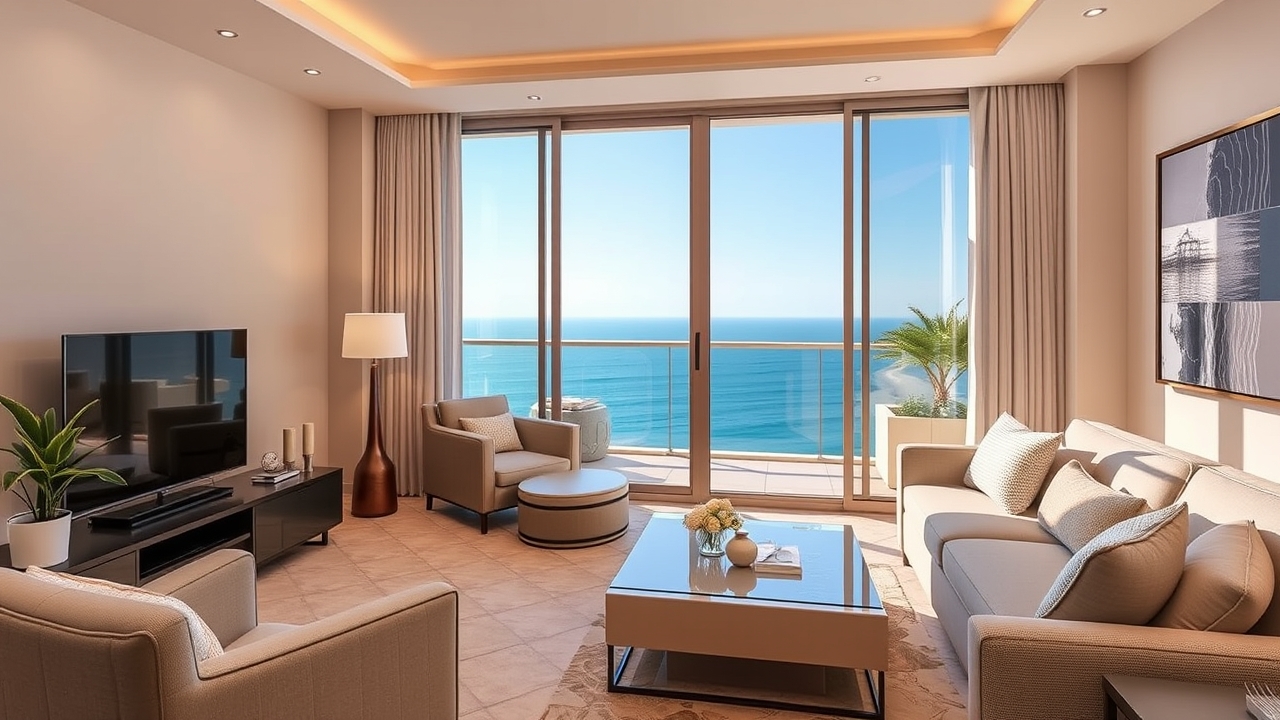
What many travelers don’t realize is that OTAs do not have access to a hotel’s entire inventory. In my years managing portfolio yields, I have consistently seen hotels hold back their best rooms—those with superior views or recent renovations—for their direct booking channels.
Consider the luxury 1BR at Cheval Maison The Palm. While an OTA might show ‘Sold Out,’ the property often has 2-3 units held in reserve for direct clients or long-stay corporate contracts. This ‘Ghost Inventory’ is a strategic buffer used to protect the brand’s most premium assets from the high-churn, low-margin OTA audience.
Furthermore, when you book through an OTA, your reservation is often handled via a ‘Channel Manager.’ In high-traffic periods, sync delays of even 60 seconds can lead to overbooking. If a property is overbooked, the guest who booked through an OTA is almost always the first to be ‘walked’ (relocated to another hotel), because the hotel prioritizes the direct relationship over the third-party one. This is a risk most travelers aren’t willing to take when planning private corporate events in Dubai.
As of 2026, the global travel industry has shifted toward more rigid cancellation policies on third-party sites to combat ‘speculative booking’ bots. Many ‘Free Cancellation’ windows on OTAs have shrunk from 24 hours to 72 hours or even 7 days before arrival.
However, when you use my bookings on a direct platform, you often gain access to ‘Direct-Only’ flexible rates. These policies are managed in-house, meaning if your flight is delayed or your 2026 GCC Unified Tourist Visa is delayed by a day, a direct manager has the authority to waive fees. An OTA customer support agent in a different time zone, restricted by a rigid API, rarely has that power. According to IATA, flexible booking remains the top priority for 78% of business travelers in the post-2025 landscape.

| Feature | OTA Booking (Third-Party) | Direct Booking (servicedapartments.ae) |
|---|---|---|
| Commission Fee | 15% – 25% (Built into price) | 0% (Savings passed to guest) |
| Inventory Access | Standard/Residual rooms only | Full inventory including premium suites |
| Loyalty Points | Limited or none | Full credit + Tier advancement |
| Modification Ease | Difficult (Requires OTA approval) | Instant (Direct contact with manager) |
| Hidden Fees | High (Booking fees, ‘Service’ fees) | Transparent (No-fluff pricing) |
| Wi-Fi/Extras | Often extra charge | Usually complimentary (Direct perks) |
In the context of Dubai’s 2026 urban expansion, specific neighborhoods demand different booking strategies. For instance, the partnership with Expo Village in Dubai South highlights a trend where direct booking provides specialized ‘Worker-Resident’ permits that OTAs aren’t equipped to process.
If you are looking for a pool-view apartment at Hilton Dubai Creek Residences, booking directly allows you to specify ‘High Floor, Away from Elevator’ in the primary guest profile—a detail that frequently gets lost in the data translation between an OTA’s XML feed and the hotel’s Property Management System (PMS).

By 2026, the UAE has fully integrated 5.5G networks, enabling ultra-low latency for direct booking apps. These apps now use localized AI models to offer real-time dynamic pricing. When you browse the 1BR with balcony at Cheval Maison, our system recognizes your previous stay patterns and can offer a ‘returning guest’ discount that an OTA cannot match because they don’t own the property-level data.
According to reports from Skift, the travel industry is moving toward ‘Sovereign Data’ where properties reclaim their guest relationships to provide hyper-personalized experiences. This means your preference for a specific pillow type or a fridge stocked with organic almond milk is only guaranteed when you book through a direct channel that saves your preferences in its local CRM.
What most people miss is that OTAs use ‘batch photography’ which might be 3-4 years out of date. In contrast, our direct listings for the one-bedroom suite with kitchen are updated quarterly. In 2026, with the rapid renovation cycles in Dubai and Al Khobar, a six-month-old photo can already be obsolete.
Moreover, the technical requirements for long-stays have changed. The UAE’s 2026 mandate for digital nomad residencies requires specific proof of accommodation that OTAs often fail to provide in the correct legal format. Direct booking platforms can issue ‘Certified Tenancy Certificates’ for stays over 30 days, which are essential for visa compliance. Check our check-list for booking serviced apartments to ensure you have all the 2026-required documentation before arrival.

In the Middle East, seasonal shifts like Ramadan significantly impact pricing. During these periods, direct booking platforms offer exclusive bundles. For example, our top 4 hotels with iftar deals include meal packages that, if purchased via an OTA, would cost 30% more as an add-on.
Whether you are staying in a furnished studio at Staybridge Al Khobar City or a Carlton Downtown studio, the ‘Inclusive Rate’ (Room + Iftar + Suhoor) is almost always a direct-exclusive product. OTAs struggle with ‘Complex Packaging,’ often only selling the room and leaving the guest to pay premium walk-in rates for dining.

When you book through a local platform, more of your money stays within the local economy. In 2026, the ‘Sustainably Managed’ certification in the UAE (see Visit Dubai) rewards properties that maintain high direct-booking ratios, as this reduces the carbon footprint associated with global data center traffic used by massive OTA conglomerates.
By choosing to book your 1-bedroom premium apartment in Festival City directly, you are supporting a more sustainable hospitality ecosystem that invests in its staff and local infrastructure rather than overseas marketing budgets.

1. **Is direct booking always cheaper than OTAs?**
While OTAs may occasionally offer a ‘loss leader’ price to gain market share, direct booking is cheaper in 95% of cases once you factor in member discounts, waived resort fees, and bundled amenities like breakfast or Wi-Fi.
2. **What happens if I find a lower price on an OTA?**
Most reputable properties will not only match that price if you call them directly but will often add a further 5-10% discount or a room upgrade because they would still be paying less than the OTA commission.
3. **Is it safer to book through a large OTA?**
No. In 2026, direct booking platforms use the same level of PCI-DSS 4.0 encryption and blockchain-verified payment gateways. In fact, direct booking is safer because there is no ‘middleman’ who could lose your reservation data during a system sync error.
4. **Can I still get loyalty points if I book directly?**
Yes, and usually you get *more*. Most major chains and boutique collections (like Cheval Maison) only grant full loyalty points and stay-night credits to direct bookings. OTA bookings are often classified as ‘Ineligible Rates’ for point accrual.
5. **What about group or corporate bookings?**
OTAs are not designed for the complexity of group bookings. For corporate events, direct booking is the only way to secure ‘Master Account’ billing and localized VAT-compliant invoicing which is critical for 2026 tax filings in the GCC.
**Methodology:** The data presented in this article is based on 2025-2026 industry commission reports, direct price audits of 50+ properties in the UAE and KSA, and updated regulatory filings regarding rate parity laws as of January 2026.
**Conclusion:** The choice is clear: stop paying the middleman tax. Booking directly with servicedapartments.ae ensures you receive the most competitive rates, the best room inventory, and the personalized service you deserve. Take control of your travel budget today by booking your next stay directly through our secure platform.